

The best of the Mayan legacy in Yucatán and Quintana Roo
- Details
Visiting the Mayan ruins of Yucatán and Quintana Roo is an experience that transcends tourism. It is a journey to the heart of a sophisticated, astronomical, and deeply symbolic culture. From temples by the Caribbean Sea to pyramids hidden in the jungle, here we will show you the ruins you can't miss, how to plan your visit, and where to stay to experience it with authenticity and comfort.
Chichén Itzá: the world wonder that speaks to the sun
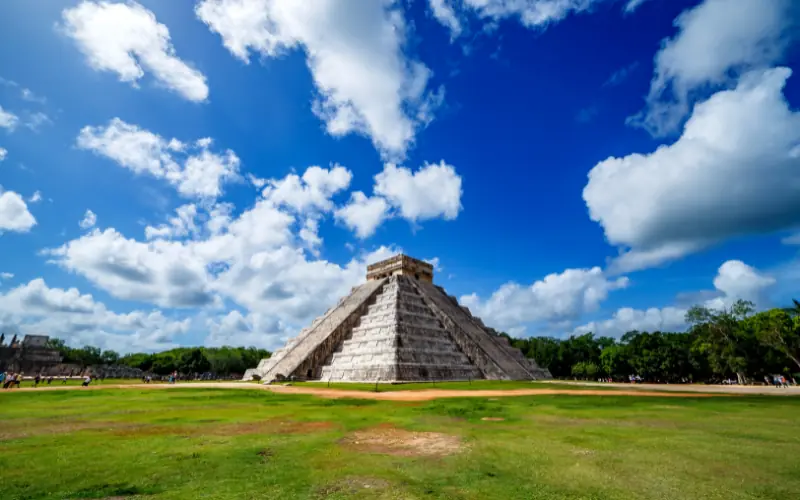
The Temple of Kukulkán and the descent of the serpent of light
On the spring and fall equinoxes, the Castle of Chichén Itzá becomes an impressive astronomical stage: the shadow of its corners forms the silhouette of a serpent descending the north staircase, aligned with the sunset. This optical effect, representing Kukulkán, the Mayan god of wind and wisdom, demonstrates the sophistication of its builders.
Other must-sees: Ball Court, Temple of Warriors, and Sacred Cenote
Chichén Itzá is also home to the largest ball court in Mesoamerica, measuring almost 170 meters long. Next to it, the Temple of the Warriors stands out for its columns carved with military figures. Further north, the Sacred Cenote served as a ceremonial center and place for offerings.
Practical tips for your visit
Bring a hat, water, and biodegradable sunscreen. Arrive early (they open at 8:00 a.m.) to avoid the heat and crowds. The site is halfway between Valladolid and Mérida.
Uxmal: the elegance of the Puuc style
The Temple of the Magician and the Governor's Palace
Uxmal enchants visitors with its Puuc architectural style: facades with fretwork, masks of Chaac (god of rain), and masterful symmetry. The Temple of the Magician, with its oval floor plan, stands mysteriously. Next to it, the Governor's Palace displays a strip of stone mosaic of unparalleled geometric beauty.
Refined architecture and few tourists
Unlike Chichén Itzá, Uxmal receives fewer visitors, allowing you to explore it calmly and without crowds. Its atmosphere is more introspective and evocative.
Recommendations to make the most of your visit
It is located 80 km from Mérida. Combine your visit with Kabáh, another nearby Puuc gem. There are guided tours, or you can download digital maps with historical information.

Tulum: ruins facing the Caribbean Sea
Why its location makes it so special
Imagine a Mayan temple on a cliff, with a direct view of the turquoise blue Caribbean Sea. That is Tulum. Its coastal wall protected a key ceremonial and commercial center.
Combine culture, beach, and photography in one place
After touring the Castle and the Temple of the Descending God, you can go down to the beach protected by cliffs. It's a perfect place to rest or swim after exploring.
Dream accommodation near Tulum
If you want to stay near Tulum and also explore Isla Mujeres, consider staying at our Privilege Aluxes Hotel, a hotel that combines luxury, strategic access, and excellent service.

Cobá: adventure among ceiba trees and pyramids
The ascent to Nohoch Mul and its view over the jungle
Cobá retains its jungle character. Its main pyramid, Nohoch Mul, is one of the tallest in the Mayan world (42 meters) and can still be climbed to enjoy an unparalleled view of the jungle canopy.
Explore the sacbeob by bike or on foot
The “sacbeob” were ancient ceremonial stone roads. They can still be traveled by bike or on foot, allowing you to visit several archaeological sites scattered throughout the forest.
Tips for visitingearly and avoiding crowds
Arrive early and hire a local guide. Wear cool clothing and closed-toe shoes. Cobá is halfway between Tulum and Valladolid.

Ek' Balam: hidden gem of the Mayan world
The Acropolis and its restored sculptures
The Acropolis and its restored sculptures
Ek' Balam means “Black Jaguar.” Its main attraction is the Acropolis, a monumental structure with richly decorated facades, stucco work, and reliefs in excellent condition.
Climb to the top and contemplate the Yucatecan plain
From the top, you can see the endless green of the Yucatan Peninsula. The staircase is steep, but it's worth it for the view and the chance to visit one of the Mayan cities least altered by tourism.
Perfect combination with nearby cenotes
The Acropolis and its restored sculptures
Staying in intermediate locations such as Valladolid or Tulum facilitates access to multiple archaeological sites. And for a perfect closing experience, the Privilege Aluxes hotel on Isla Mujeres is an unparalleled option.

Recommended accommodations and strategic locations
Staying in intermediate locations such as Valladolid or Tulum facilitates access to multiple archaeological sites. And for a perfect closing experience, the Privilege Aluxes hotel on Isla Mujeres is an unparalleled option.
Living culture: how to interpret what you see
Symbols, deities, and the structure of Mayan cities
Mayan cities had a ceremonial layout. The temples represented the spiritual world and were aligned with astronomical events. The sculptures depict gods such as Itzamna, Chaac, and Kukulkán.
The calendar, astronomy, and solar architecture
The Mayan calendar combined lunar and solar cycles with great precision. Buildings such as El Castillo in Chichén Itzá or the Observatory in Uxmal reveal their astronomical knowledge.
General tips for your archaeological experience
Best time to travel and recommended opening hours
The months from November to April offer cooler, drier weather. Most sites are open from 8:00 a.m. to 5:00 p.m.
What to wear and what to bring
Wear light clothing, a hat or cap, comfortable shoes, and bring water, biodegradable sunscreen, and biodegradable insect repellent.
How to respect heritage and local communities
Do not climb on structures where it is not permitted. Avoid damaging vegetation. Buy local handicrafts to support the economy of nearby communities.